Yeash, but not as good as an alternative to a PI back then, since 8 year old notebooks 10 years ago (so 18 year old notebooks today) were too bulky and power hungry to be a real alternative. Power bricks were all 90W and CPU TDW was 35-45W. But notebooks from the 2018 era (intel 8th gen) have quite low power chips that make a good PI alternatives nowadays.
The mobile and embedded X86 chips have closed the gap a lot in power consumption since the PI first launched.
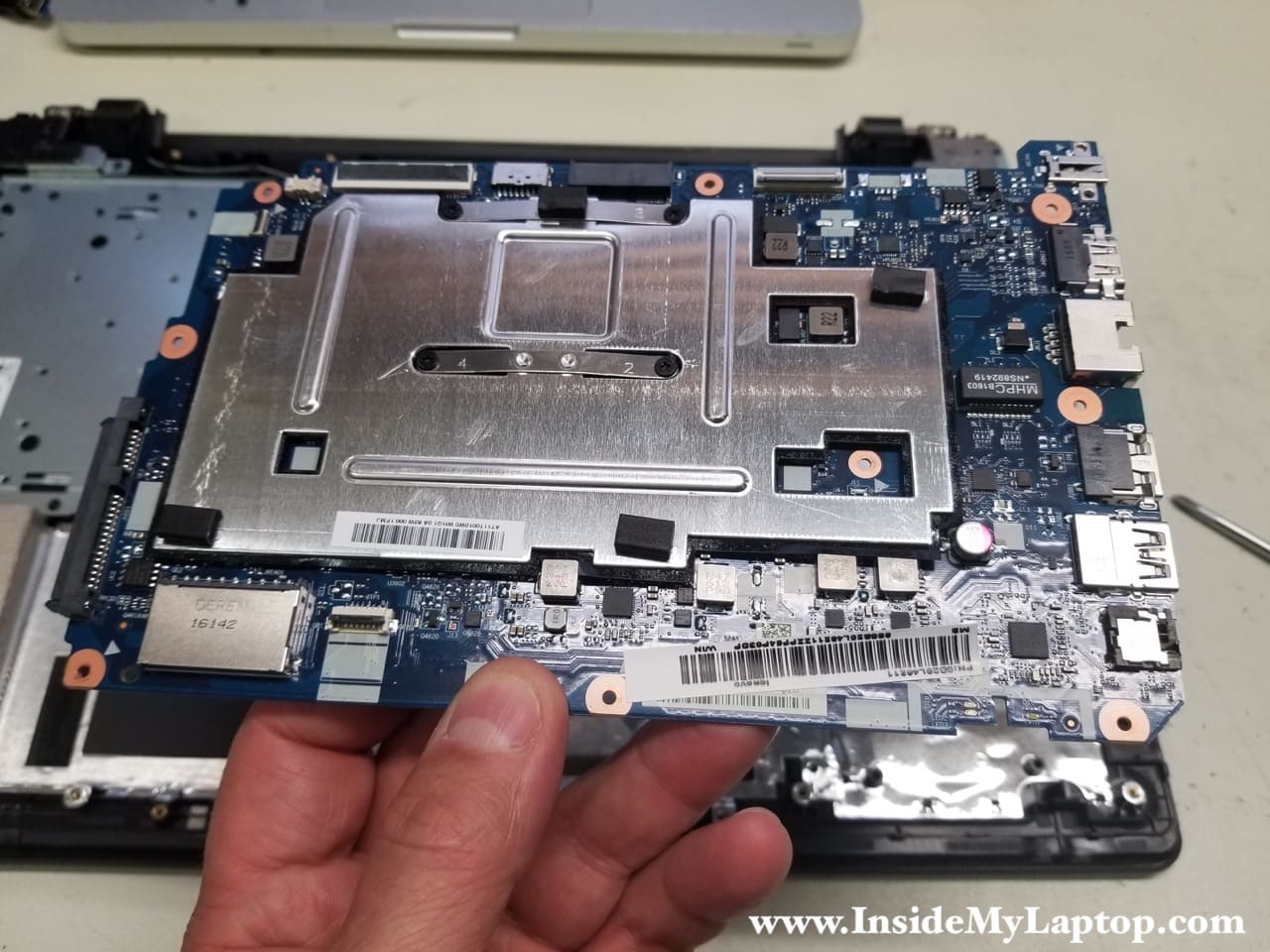
Now you can even get laptops with broken screens for free, and just use their motherboard as a home server alternative to a PI. Power consumption will be a bit higher, but not enough to offset the money you just saved anytime soon.
You can get a 5-year-old laptop with a perfectly working screen for free if you're on good terms with the owner of a company who has a stack of them sitting in a storage closet waiting for disposal. :)
Which is basically just cutting out the middlemen in a transaction that might cost $100 on eBay.
Used corporate laptops are particularly cost-effective if you're interested in running Windows, as unlike Intel NUCs and most SBC products, they typically include hardware-locked Windows 10 Pro licenses which can be upgraded to Windows 11 Pro for free.
5-year old laptops for free aren't really a thing in most of Europe unless maybe you're in Norway or some super rich country where 100$ is pocket change. In most large places I worked in Europe, laptops are leased from a service provider, not owned by the company. When they're obsolete they get sold in bulk locally or abroad. But never for free.