Everyone is part of society. If society "collapses" (which can take many forms), the responsible, respectable reaction is to stay with it and try to restore it, not cut it loose -- retract to a shelter somewhere with "lots of guns and ammo" to wait it out.
When disaster strikes it may be very natural and expected to save oneself, if possible. That's survival instinct. But prepare for it is not admirable, to say the least. It's being selfish with intent.
Max Levchin says this in the article "It’s one of the few things about Silicon Valley that I actively dislike—the sense that we are superior giants who move the needle and, even if it’s our own failure, must be spared."
But at the end of the day, you're not restoring anything if you're dead due to lack of food, water, or shelter, or violent action by someone else. That's what's confusing me about your view, here.
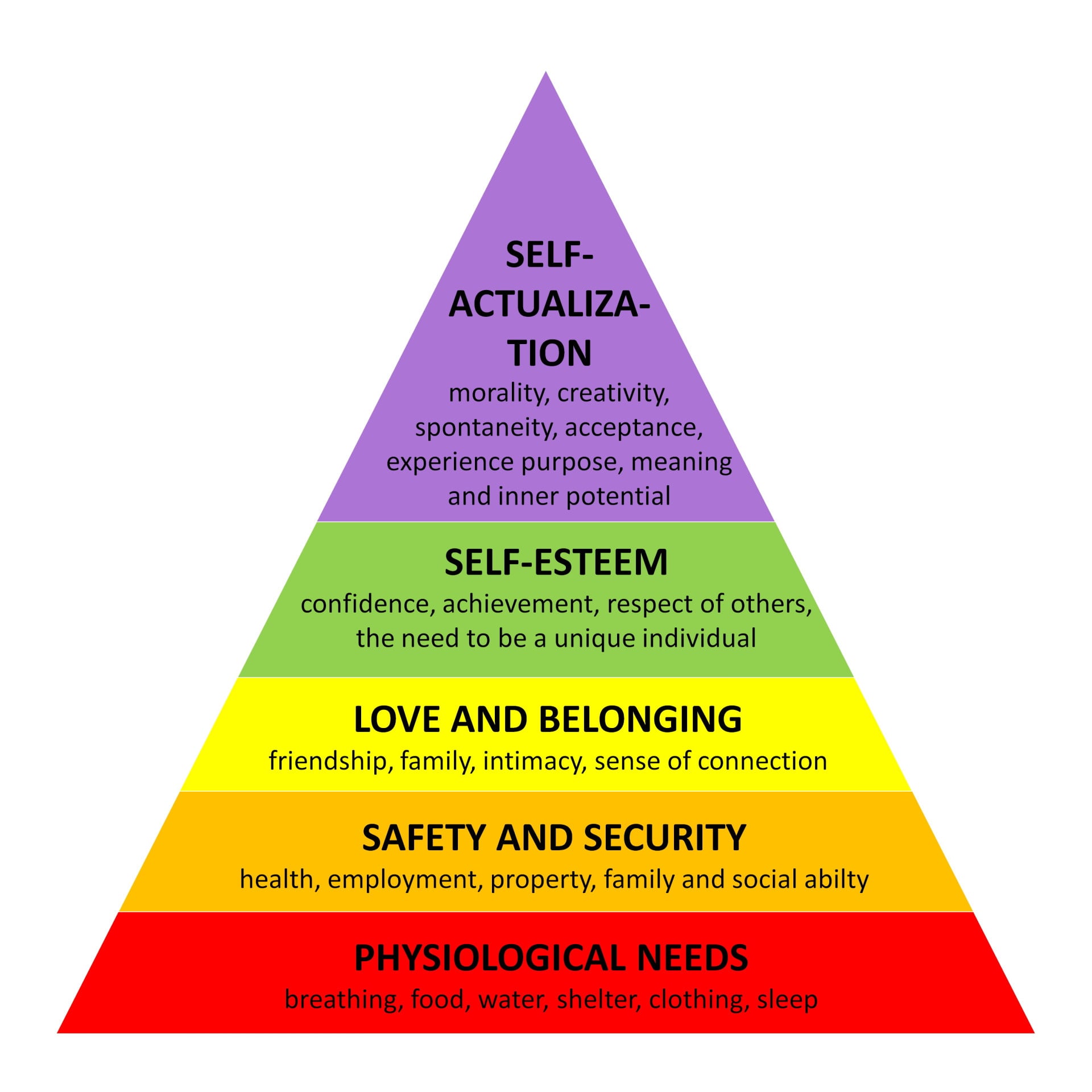
There's a reason these basics are at the very base of Maslow's hierarchy[1], and that's because without them, such niceties as polite society aren't possible. It would be foolish to not concentrate on having the basics available.
Your post presumes conflict with all the other survivors, which says a lot more about you than it does about them. In reality, people tend to help each other out in the wake of disasters, rather than engaging in a zero-sum struggle for exclusive control of resources.
And you presume that you know the friendliness status of every other survivor. Such assumptions only hold within your limited circle of acquaintances. What happens when you encounter someone who you and your circle of friends and neighbors don't know? The social order is gone.
There's a "disaster", and then there's the total collapse of society.


When disaster strikes it may be very natural and expected to save oneself, if possible. That's survival instinct. But prepare for it is not admirable, to say the least. It's being selfish with intent.
Max Levchin says this in the article "It’s one of the few things about Silicon Valley that I actively dislike—the sense that we are superior giants who move the needle and, even if it’s our own failure, must be spared."