from Google: "Atlassian has sunsetted its Server product line, including Jira Server, meaning they are no longer supported and users need to migrate to Cloud or Data Center versions. Specifically, support for Atlassian Server products ended on February 15, 2024. This includes the end of new license sales, renewals, and security updates for Jira Server. "
You'll pay through your nose for a Data Center license though, and it doesn't change the fact that Jira is a mess so slow that SAP can appear fast in comparison.
Doesn't seem to be a lot of options for self-hosted/open-core project management software. The existing ones looks pretty bad, and don't come anywhere close to Jira level functionality.
> don't come anywhere close to Jira level functionality.
In my experience that's probably a good thing. I've moved from a company using Phabricator to one using Jira. Phabricator had exactly everything we needed and was very nicely designed and worked really nicely.
Jira has everything you need plus loads of other stuff that project managers feel like they need to add. Oh and they'll never clear anything up or fix any config bugs because they don't actually have to ever use the "report bug" form so who cares if there are 100 fields and half of the mandatory ones are hidden in "More fields"? 5 different states for "TODO"? Eh who cares. 3 different ways to say which team a bug is in? Better fill them all in for every bug.
It's better to be missing features than to have features that project managers can configure.
I've used both as well, I found Phabricator fine for lightweight kanban-style team work tracking, but once we had PMs it was doomed because it would never do what they wanted (they didn't seem to be able to understand that it was not a Scrum system and would never match well).
These days I'd be using Github instead, issues there are also nice and simple. I imagine it would ultimately suffer the same fate in a similar situation though (not that I intend to get there ever again).
The problem with Jira is that it's so customisable and always ends up being customised by "process people" who think all problems can be solved by adding just one more field - but simultaneously it's never possible to customise your bit to work the way you want.
Try buying food that isn't stored in plastics, worse yet, the supply chain before you get the food probably uses plastics between the various components. Seems like such a hard problem to solve.
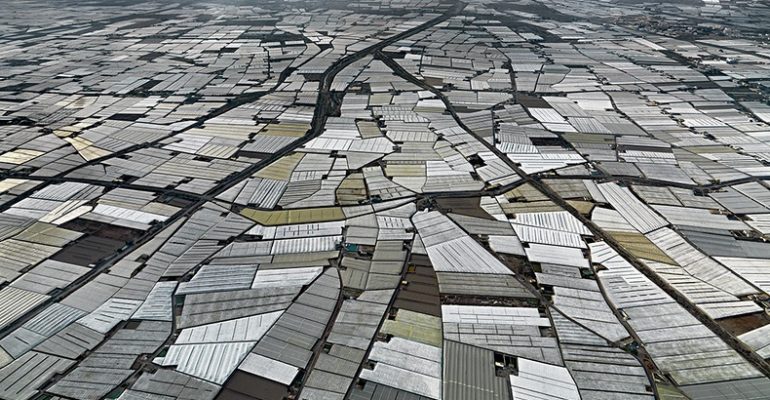
Plastic stops weeds, stops birds, is the skin of greenhouses - every step of growing seems to involve another damn square kilometer of plastic. A lot of it just degrades in to microplastics in the soil, too.
(My wife and I did a market-garden type smallholding for a while and it's damn near impossible to get away from plastic)
As far as I can tell, organic is mostly a mechanism to price discriminate produce and animal products. If you label one organic, then some people will be willing to pay more for it.
I don’t know about other countries, but considering the US cannot even be bothered to continuously perform surprise inspections of the quality of medicines or medicinal manufacturing facilities, or vitamins, I have zero faith in any of those labels, especially from places where the US has no jurisdiction and hence no possibility of consequences.
For all I know, the nicer looking produce gets slapped with an organic label and the less nice doesn’t, creating a visual illusion at the store. This is all ignoring the fact that there is no conclusive proof of “organic” being nutritionally superior.
People like the story of being “in the know” or “beating the system”, hence the utility of these labels. Another one I like is “A2 milk”.
I think so as well, in particular I believe that countries with a large population of young will be the biggest beneficiaries of companies exiting China.
It's going to take some time to get back to scale but I believe India, Vietnam, Southeast Asia stands to be the biggest winners.
I do not see China returning to status quo anytime soon. It's more likely that they will fall victim to nationalistic fervor and close its doors.
"Global interconnection" is not the same thing as "globalization". In many ways they're actually opposed. With globalization comes increased strength of patent and copyright laws and much more control over what crosses what borders
There's a direct relationship between international trade agreements and border security
So, your position is that this century long trend of globalization is over and all systemic mechanism that enable it will somehow, someway, cease. Or, what exactly? What is your position? Because, if for example, the crisis in Ukraine has shown, countries need more diversification, not less.